“the nature of coffee beans” search results (10000)

Ethiopian coffee flavor Ethiopian coffee characteristics Ethiopian coffee taste
Ethiopia has unique natural conditions suitable for growing all imaginable varieties of coffee. As a upland crop, Ethiopian coffee beans are mainly grown in areas between 1100 and 2300 meters above sea level, roughly distributed in southern Ethiopia. Deep soil, well drained soil, weakly acidic soil, laterite and soil are soft and contain
2016-08-29 Ethiopia coffee flavor characteristics taste have Tiandu
Introduction to Hasunda Coffee Garden in Ecuador Coffee Flavor Manor
Mr. Veniso, winner of the 2014 Ecuador Coffee Competition, told reporters that some of the Ecuadorian coffee is espresso made from Ecuadorian alpine coffee beans. This coffee comes from a mountain area about 1000 to 2000 meters above sea level and has a mellow taste with aromas and sweetness of fruit, grass and chocolate. Some add thin coffee from the Amazon region to this espresso.
2016-07-15 Ecuador coffee flavor taste manor producing area introduction Hasenda coffee garden
Premium Coffee recommended Cuban Coffee Crystal Mountain Coffee
Located in the West Indies, the Republic of Cuba has a detached and pristine natural environment, the beautiful Caribbean Sea and the world-famous Crystal Mountain Coffee. Flavor and taste characteristics: full of particles, uniform taste, tobacco flavor the Republic of Cuba is located in the West Indies, with a detached and primitive natural environment, the beautiful Caribbean Sea and the world-famous Crystal Mountain Coffee.
2014-10-17 Coffee knowledge boutique coffee Cuban coffee crystal coffee
Cuban Crystal Mountain Coffee characteristics of Cuban Crystal Mountain Coffee
Located in the West Indies, the Republic of Cuba has a detached and pristine natural environment, the beautiful Caribbean Sea and the world-famous Crystal Mountain Coffee. In 1748, coffee was introduced into Cuba from Domiga, and Cuba began to grow coffee ever since. With fertile land, humid climate and abundant Rain Water, Cuba can be called a natural treasure land for coffee cultivation. The suitable natural condition is the growth of coffee trees.
2016-08-30 Cuba Crystal Mountain Coffee Flavor characteristics Republic located in India Group
Brazilian half-sun-natural removal of pectin
Brazil used to use the method of tanning in the past, and there was a big difference in quality, which made Brazil Chongqing synonymous with low-to-middle quality. However, in order to improve its quality and reverse its image, the world's largest coffee producer carried out a quality revolution in the 1990s and vigorously promoted the global half-sun method. Brazilian coffee fields are endless and are mostly harvested mechanically in order to meet the economic benefits. When 75% of the coffee fruit in the coffee garden
2014-08-07 Western style solarization nature removal pectin Brazil past habitual
Introduction to the Flavor description Manor of Fine Coffee beans in the Coffee Variety producing area of Crystal Mountain, Cuba
Located in the West Indies, the Republic of Cuba has a detached and pristine natural environment, the beautiful Caribbean Sea and the world-famous Crystal Mountain Coffee. In 1748, coffee was introduced into Cuba from Domiga, and Cuba began to grow coffee ever since. With fertile land, humid climate and abundant Rain Water, Cuba can be called a natural treasure land for coffee cultivation. The suitable natural condition is the growth of coffee trees.
2016-09-26 Cuba Crystal Mountain coffee varieties producing areas boutique coffee beans flavor description Zhuang
Introduction of Santa Cruz Manor in Ecuador Coffee Flavor Manor
The coffee beans produced in Ecuador's Galapagos Islands are organic coffee beans, thanks to the unique ecological environment such as volcanic soil and microclimate, coupled with the fact that they do not use any chemical fertilizers or pesticides, they are recognized as natural green boutique coffee. this naturally grown coffee has a mild taste with a hint of flowers and fruit and caramel. It is understood that the Galapagos Islands are far from Eritrea.
2016-08-01 Ecuador coffee flavor taste manor producing area introduction Crewe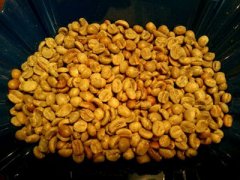
Cuban Crystal Mountain Coffee Bean introduction to Tobacco-flavored Coffee Cuban Crystal Mountain Coffee of Ancient quality
Located in the West Indies, the Republic of Cuba has a detached and pristine natural environment, the beautiful Caribbean Sea and the world-famous Crystal Mountain Coffee. In 1748, coffee was introduced into Cuba from Domiga, and Cuba began to grow coffee ever since. With fertile land, humid climate and abundant Rain Water, Cuba can be called a natural treasure land for coffee cultivation. The suitable natural condition is the growth of coffee trees.
2016-03-25 Cuba Crystal Mountain coffee beans introduction with tobacco coffee quality total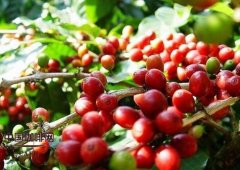
Elida Estate Elida Solarization Treatment (Natural) Kaduai Typica Iron Pickup Geisha
Specialty coffee is also known as specialty coffee. It refers to coffee made from green beans with excellent taste characteristics grown in a few extremely ideal geographical environments. Depending on the particular soil and climatic conditions in which they are grown, they have outstanding flavors. This type of coffee is carefully selected and graded for its hard texture, rich taste and wind.
2016-06-19 Lida Estate Elida Solarization Treatment Natural Kadu T
Introduction of coffee bean sun washing red honey treatment variety taste manor country
Yejia Xuefei coffee beans we know that coffee raw beans can be roughly divided into three methods. The distinction between each method is based on the fact that several layers of matter are removed from the fruit before the coffee is dried. The following is a list of three major processing methods: 11. Natural sun treatment: retain all substances 22. Honey treatment: remove the peel and pulp, retain some or all of the mucous membrane (honey) 3 washing method: use water
2016-10-21 Coffee beans sun French water washing red honey treatment variety taste manor country of production
The History of Cuban Coffee
In 1748, coffee was introduced into Cuba from Dominica, and Cuba began to grow coffee ever since. With fertile land, humid climate and abundant Rain Water, Cuba can be called a natural treasure land for coffee cultivation. The suitable natural conditions provide a favorable natural environment for the growth of coffee trees, and coffee is well planted and developed here. In Cuba, the cultivation of coffee is regulated by the state. Cuba is the most
2014-08-06 Coffee Culture Cuban Coffee History Coffee Encyclopedia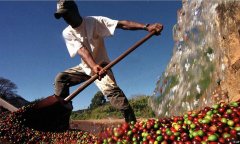
History and culture of Cuban coffee
Coffee was introduced to Cuba from Dominica in 1748, and Cuba has since grown coffee. The fertile soil, humid climate and abundant rainfall in Cuba make it a natural treasure for coffee cultivation. Suitable natural conditions provide a favorable natural environment for the growth of coffee trees, where coffee is well planted and developed. In Cuba, coffee cultivation is regulated by the State. Cuba
2015-04-29 Coffee Country of origin Cultural knowledge Cuba History and culture 1748 Domi
Coffee bean treatment Italian coffee grindability
In the process of washing, the peel and pulp of the fruit are treated with a special desizing machine and the coffee beans are peeled off. The coffee beans then enter the fermentation tank for fermentation treatment so that the mucous membrane is no longer sticky. The sugars in the mucous membrane are decomposed during fermentation. Depending on the fermentation method, the fermentation time is usually 12 hours to 6 days (some growers use the watering system to ferment coffee beans. This kind of square
2016-06-06 Coffee beans processing Italian coffee grinding washing process fruit peel
Treatment of Coffee fruits Coffee bean treatment
I would like to introduce the treatment of coffee fruits and the comparison of different ways. The following picture shows an enlarged coffee bean with pectin, in which pectin, parchment, silver skin and raw beans are clearly distinguished. Classification of Processing Method Coffee Fruit treatment methods are divided into dry (Dry Processing) and wet (Wet Processing) treatments according to whether the peel is removed or not.
2015-09-01 Coffee fruit treatment way coffee beans everyone introduction coffee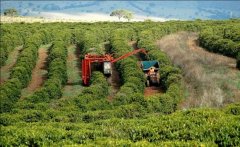
Brazilian half-sun natural pectin removal method volcano treatment
Brazil used to use the method of tanning in the past, and there was a big difference in quality, which made Brazil Chongqing synonymous with low-to-middle quality. However, in order to improve its quality and reverse its image, the world's largest coffee producer carried out a quality revolution in the 1990s and vigorously promoted the global half-sun method. Brazilian coffee fields are endless and are mostly harvested mechanically in order to meet the economic benefits. When 75% of the coffee fruit in the coffee garden
2014-12-19 Western style solarization natural removal pectin treatment Brazil past usage
Coffee beans dried, semi-dry, wet and honey-treated coffee beans fermented high-quality coffee
Boutique coffee (specialty coffee) is also called specialty coffee selection coffee. It refers to coffee made from a small number of raw beans with excellent taste grown in an ideal geographical environment. Depending on the special soil and climatic conditions in which they grow, they have outstanding flavor. After strict selection and classification, this kind of coffee is hard in texture, rich in taste and stylish.
2016-06-28 Coffee beans dry wet and treatment fermentation taste boutique coffee
Bali not only has beautiful scenery, but also has delicious coffee Kintamani natural treatment.
When it comes to Bali, I'm sure everyone thinks of the beautiful beaches and the great tsunamis of previous years. But I don't know that there is delicious coffee on this island. Today John brings you this coffee from the beautiful kintamani volcano in Bali, naturally treated (Natural), and is organic coffee, certified by both organic and rainforest. The main coffee producer in the Indonesian archipelago
2014-08-27 Bali delicious coffee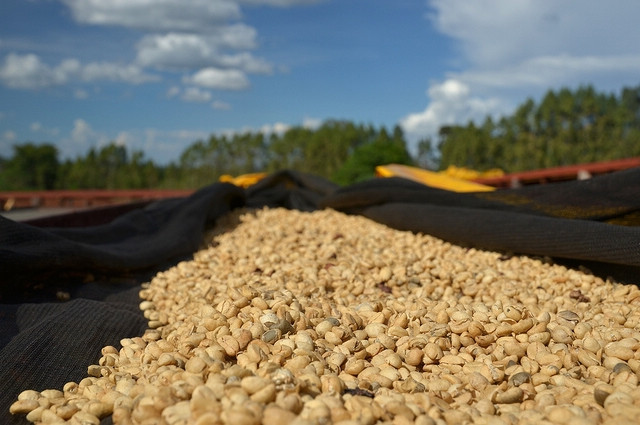
What is Solar treatment? Guava Plain Manor in Guatemala New Oriental region
Sun drying: the sun drying method is also called natural drying because it uses natural sunlight to dry the fruits and raw beans of coffee. Due to the use of artificial and natural treatment methods in the process, the sun-cured beans look irregular and unflattering in appearance. 1. Choose beans: put the harvested fruit in the water tank, and the ripe fruit will sink, while the unripe and overripe fruit
2016-03-30 What solarization processing Guatemala New Oriental producing areas guava plains manors
Introduction to Lazmus Manor in Colombia Coffee producing area with the most favorable Natural Environment
The pure taste of Colombian coffee comes from Colombia's natural environment with the most favorable conditions for coffee growth. But beyond that, it is inseparable from the hard work of local growers. In Colombia, coffee cultivation has reached 1.07 million hectares, there are about 302000 coffee plantations in the country, and 30 to 40 per cent of the rural population depends directly on coffee production. Columby
2016-06-28 Favorable conditions natural environment Colombia coffee producing areas introduction Raz Moss
Introduction to the characteristics of Coffee varieties treated by the Grinding degree of Saint Roman Manor, Costa Rica
Costa Rica accounts for only 0.03% of the world's land area, but with nearly 4% of the world's species, Costa Rica is one of the countries with the richest biological species in the world. 26% of the land area is a national park or nature reserve, including 11 wetlands, 2 biological reserves and 3 World Natural Heritage sites. The national forest coverage rate is 52%. Natural resources include iron, manganese, mercury, bauxite,
2016-10-13 Costa Rica Roman Manor Coffee Grinding processing Variety characteristics taste